Церковные традиции
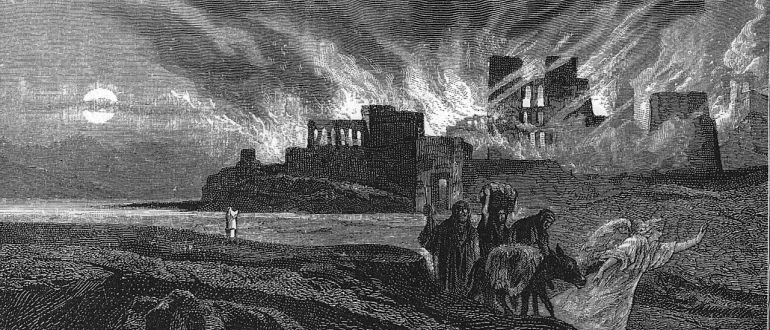
Zachowanie tożsamości Izraela wśród otaczających narodów Starotestamentowy Bóg Jahwe jest zazdrosny. Aby odgrodzić Żydów od codziennych kontaktów z okolicznymi plemionami, w Biblii Hebrajskiej zakazano popularnych wśród sąsiednich ludów
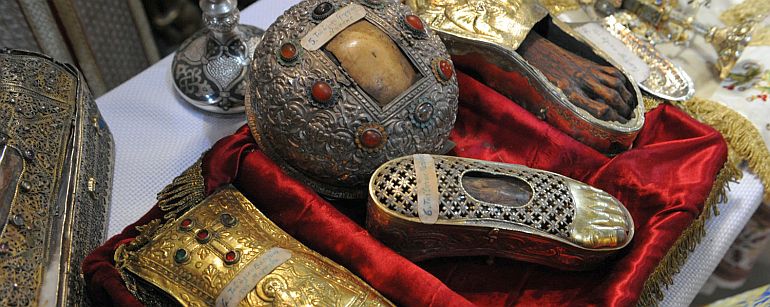
В Древнем Израиле труп воспринимался как ужасная мерзость Прикосновение к человеческому трупу в Ветхом Завете относилось к наиболее сильным формам ритуальной нечистоты. Нечистота сохранялась семь дней и требовала

Preserving Israel’s Identity Among Surrounding Nations The Old Testament God Yahweh is a jealous God. To shield the Jews from everyday interaction with neighboring tribes, the Hebrew Bible

Recently, the remains of three enslaved individuals were discovered in Mexico. They had been transported to the New World in the early 16th century by Spanish slave traders
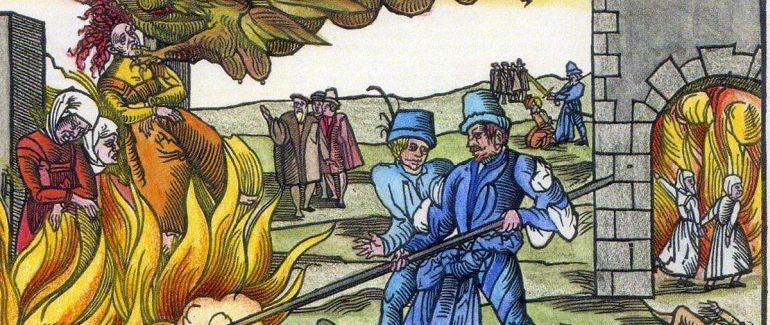
Иисус против насилия «И послал вестников пред лицем Своим; и они пошли и вошли в селение Самарянское; чтобы приготовить для Него; но [там] не приняли Его, потому что
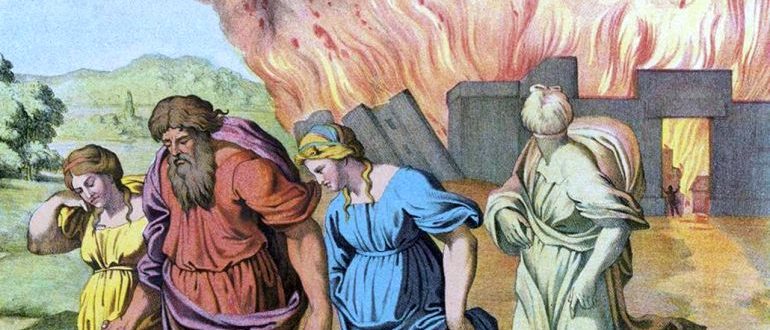
Behoud van de identiteit van Israël onder de omringende volkeren De God Jahweh uit het Oude Testament is jaloers. Om de Joden te beschermen tegen dagelijkse omgang met
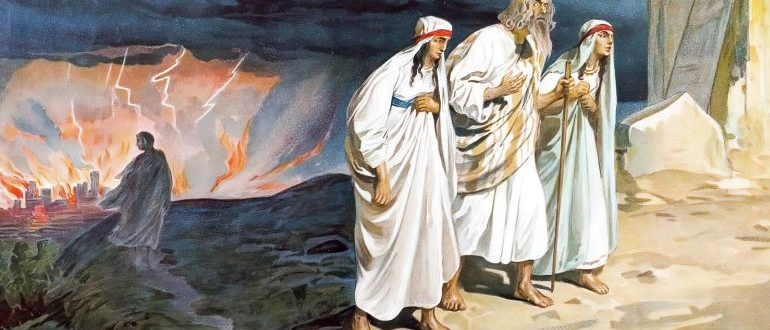
Сохранение идентичности Израиля среди окружающих народов Ветхозаветный Бог Яхве — ревнивый. Чтобы оградить евреев от бытового общения с окружающими племенами, в Еврейской Библии были запрещены популярные у соседних

The development of church legislation regarding same-sex relationships and masturbation is a path from brief biblical prohibitions to a detailed system of Byzantine canons and subsequent integration into

On the motivation of early ascetics to renounce their families In the first century CE, we see Jesus, John the Baptist, and the Apostle Paul, who did not
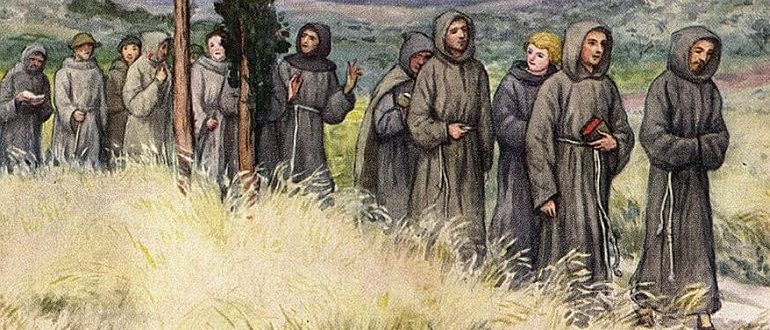
Over de motivatie van vroege asceten om hun gezin te verlaten In de eerste eeuw na Christus zien we Jezus, Johannes de Doper en de apostel Paulus, die